
to leave a comment.
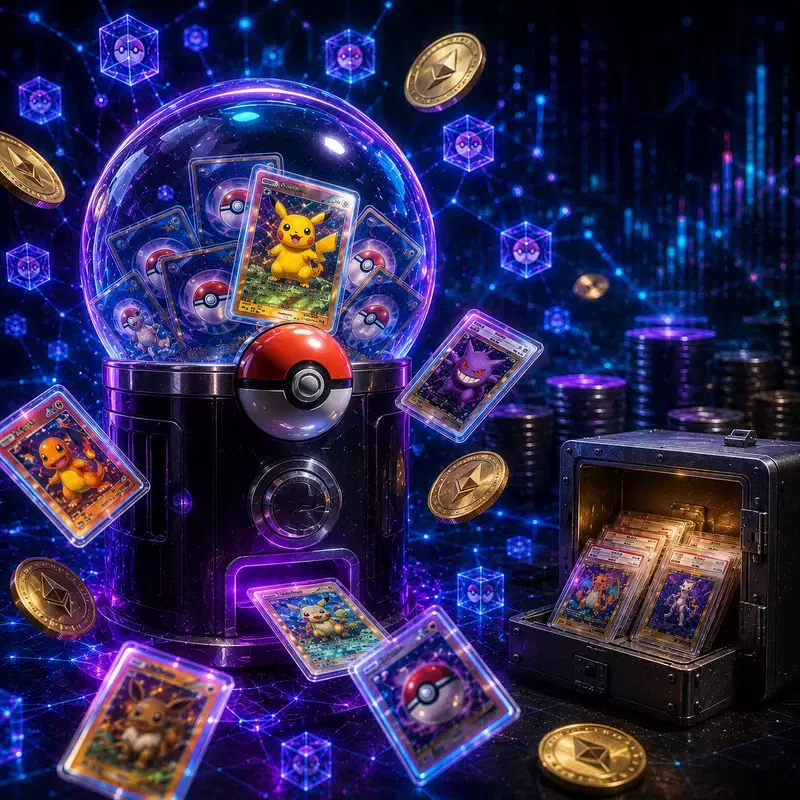
▲ Pokemon Card/AI-generated image
Solana (SOL) is emerging as a key distribution network in the real-world asset tokenization market, spearheaded by Pokemon cards.
Tuomas Holmberg, CEO of Collector Crypt, stated in an interview with the cryptocurrency YouTube channel Paul Barron Network on August 4 (local time) that putting real-world assets on the blockchain enables cross-border transactions and instant settlements. He explained that assets can be traded without the approval of intermediaries, which can reduce high fees, payment delays, and regional trading barriers in existing collectibles markets like eBay.
Holmberg argued that Pokemon cards could benefit significantly more from real-world asset tokenization than gold. While gold offers various investment vehicles such as futures, ETFs, and mining company stocks, Pokemon cards lack sufficient access channels for institutional investors. He stated, “Pokemon cards have outperformed almost every asset class over the past 25-30 years,” and that by storing physical cards in professional vaults and tokenizing their ownership, new financial products could be created.
The regulatory focus is more on platform tokens than on Pokemon cards themselves. Holmberg believes that since Pokemon cards are not securities, the U.S. cryptocurrency market structure bill will not directly restrict card trading. However, he stated that Collector Crypt's CARDS token's legal status is difficult to define clearly because the U.S. Securities and Exchange Commission (SEC)'s regulatory standards have not yet been finalized. Regarding Japan's Pokemon card regulations, he assessed them as measures to protect consumers and the legitimate trading market, given the increasing instances of high-value cards being exploited for crime.
A bottleneck in the card grading market is a challenge hindering the spread of tokenization. Holmberg revealed that approximately 12 million cards are backloged at PSA awaiting grading. He explained that a card valued at $3,000 with a PSA 10 grade might be valued at $2,000 by other grading companies, leading collectors to choose PSA even if it means waiting 6 to 12 months. He said that pre-screening cards with artificial intelligence (AI) to filter out those unlikely to receive high grades could reduce the grading backlog.
Collaboration with the Solana ecosystem has led to an influx of new users. When Jupiter launched card products using Collector Crypt's technology, approximately 90% of users were new participants, not existing Collector Crypt customers. Holmberg emphasized that several collectibles platforms are migrating to Solana, and standardizing tokens, wallets, and shipping criteria across platforms is necessary to accelerate mainstream adoption. Collector Crypt's long-term goal is to build a "Web3 Amazon logistics engine" where brands and sellers can store, trade, and ship collectibles.
[Article Summary]
-Collector Crypt aims to tokenize real-world collectibles, such as Pokemon cards, on Solana to enable cross-border transactions and instant settlements.
-It was argued that Pokemon cards could have a greater tokenization effect than gold due to their lack of access channels for institutional investors.
-PSA's backlog of 12 million cards for grading, regulatory uncertainty regarding tokens, and the absence of technical standards among platforms were cited as challenges for market expansion.
*Disclaimer: This article is for investment reference only, and we are not responsible for any investment losses based on it. The content should be interpreted for informational purposes only.*
Newsletter
Get key news delivered to your email every morning
to leave a comment.