
to leave a comment.
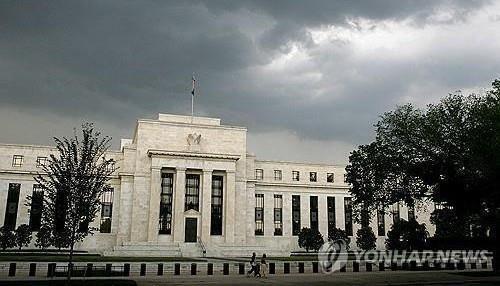
Hawkish stance strengthens ahead of Chairman Warsh's inauguration amidst prolonged high oil prices
In the monetary policy meeting of the US central bank held on the 28th-29th of last month (local time), a majority of members indicated that an interest rate hike might be necessary if the inflation rate continues to exceed the target level.
The US Federal Reserve (Fed) stated in the minutes of the Federal Open Market Committee (FOMC) released on the 20th (local time) that "a majority of participating members emphasized that if inflation continues to consistently exceed 2% (the target level), a certain degree of monetary policy tightening would likely be appropriate."
It continued, "In response to this possibility, many participating members indicated a preference for removing the 'easing bias' phrase from the policy statement regarding the FOMC's potential future direction for interest rate decisions."
Previously, three regional Fed presidents, including Minneapolis Fed President Neel Kashkari, Beth Hammack (Cleveland), and Lorie Logan (Dallas), publicly expressed their opposition to the inclusion of an easing bias phrase such as 'further adjustments', even while agreeing to the decision to freeze interest rates last month.
According to the April minutes, it is judged that in addition to the three members - Kashkari, Hammack, and Logan - the number of members who believed an interest rate hike would be appropriate if inflation continues to exceed 2% as it currently does, increased to the point of forming a 'majority'.
The April FOMC meeting was the last meeting chaired by Jerome Powell, the interim Fed chairman, who completed his official term as chairman on the 15th of this month.
While US President Donald Trump continues to pressure the Fed for interest rate cuts, Kevin Warsh, the next Fed chairman nominated by President Trump, is scheduled to officially take office on the 22nd.
The US consumer price inflation rate rose to 3.8% in April due to the surge in oil prices following the Iran war, reaching its highest level in three years.
As high oil prices persist and inflation rises, financial markets are increasingly expecting the Fed to no longer be able to undertake further interest rate cuts, and instead to begin raising interest rates as early as this year to combat inflation.
According to the CME FedWatch Tool of the Chicago Mercantile Exchange (CME), the interest rate futures market reflects an approximately 50% probability that the Fed will raise interest rates by 0.25 percentage points or more by December. The probability of a 0.25 percentage point interest rate hike by March next year was reflected as higher, at approximately 70%.
Newsletter
Get key news delivered to your email every morning
to leave a comment.