
to leave a comment.
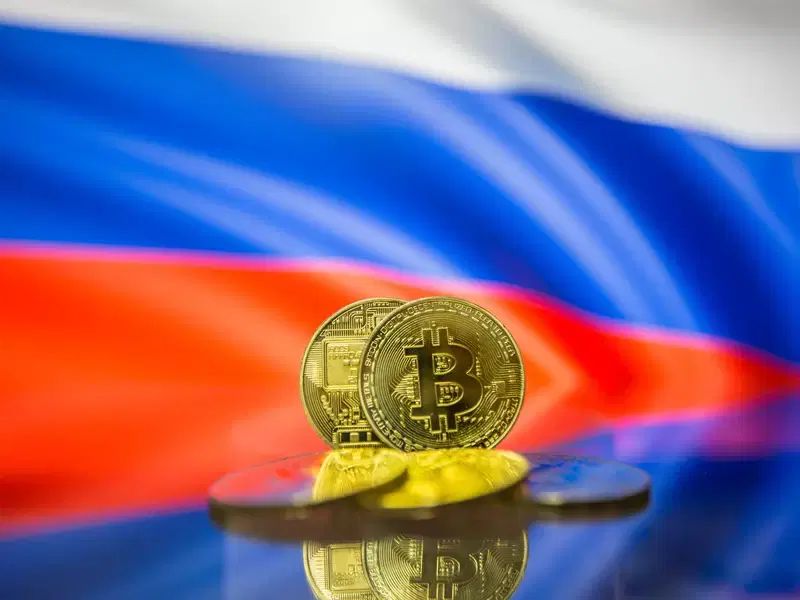
▲ Russia, Bitcoin (BTC)
Russia has embarked on a reordering of the global digital asset landscape by introducing a comprehensive regulatory framework that fully controls the cryptocurrency market.
According to U.Today, a cryptocurrency specialized media outlet, on May 4 (local time), Russia submitted a large-scale bill in April containing definitions and operating standards for the virtual asset market. This bill clearly defines key concepts such as digital currency, digital financial assets, and mining, formalizing the market's integration into the institutional framework. From July 1, 2026, individuals and businesses will be able to legally buy and sell virtual assets through registered exchanges or brokers, and from July 1, 2027, the use of authorized brokers will become mandatory.
Tradable assets will be limited to large cryptocurrencies with an average market capitalization of over $55 billion to $60 billion. While their use as a payment method within Russia is prohibited, they are allowed for corporate overseas trade settlements. Additionally, a digital custody system similar in structure to securities accounts will be introduced, requiring investors to purchase assets through licensed platforms and store them in official accounts.
Regulations for individual investors will also be tightened. Investors must pass a separate test, agree to risk disclosures, and annual investment limits may be set. Asset withdrawals will only be possible to approved overseas platforms, and transfers to personal wallets will be restricted. Authorities will also have the power to control capital outflow if necessary. Mining will only be permitted for registered businesses and individuals who meet certain conditions, and those with serious criminal records will be prohibited from participating.
P2P transactions will be gradually restricted. Blocking of suspicious transactions will begin in 2026, and from 2027, P2P transactions using Russian bank cards will be deemed illegal. Exchanges above a certain size will be subject to mandatory registration and central bank supervision. Some cryptocurrencies that emphasize anonymity may be subject to regulation, and all brokers must comply with international anti-money laundering standards.
Violations of the law, involving high-value illegal transactions, can result in up to 7 years in prison. Virtual assets are legally recognized as property rights, allowing for criminal prosecution in cases of theft or fraud. Taxation will apply to capital gains from sales, and value-added tax will be exempt. Mining and trading profits are subject to personal income tax. This bill is seen as an attempt to reorganize the regulatory framework in a direction similar to Europe's MiCA.
*Disclaimer: This article is for investment reference only, and we are not responsible for any investment losses based on it. The content should be interpreted for informational purposes only.*
Newsletter
Get key news delivered to your email every morning
to leave a comment.