
to leave a comment.
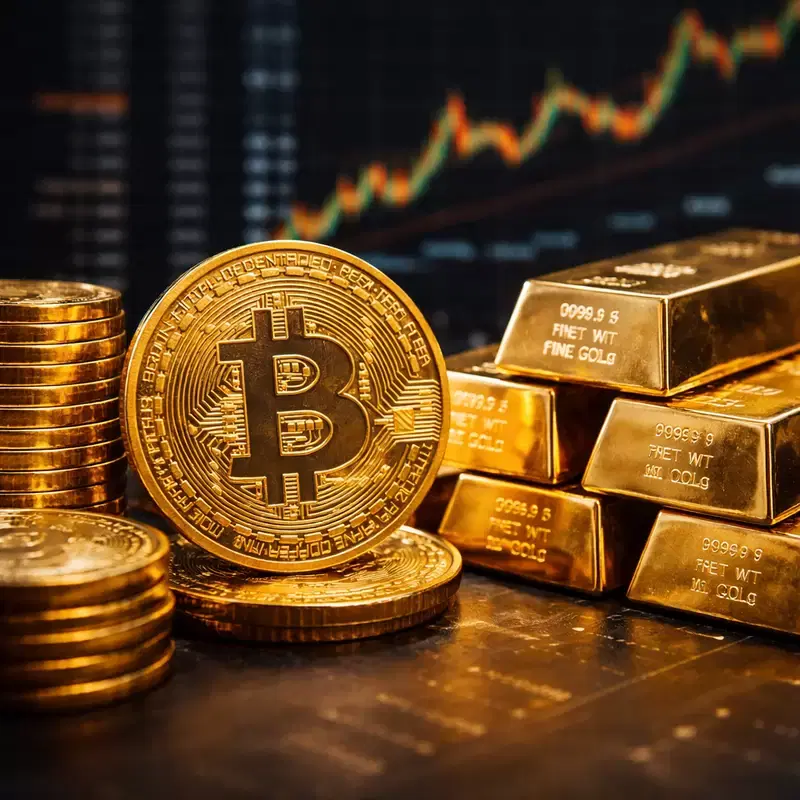
▲ Bitcoin (BTC), Gold/AI Generated Image
Bitcoin (BTC) has entered a turning point in market structure transformation, being re-evaluated as a store of value within the global financial system, beyond a mere digital asset.
According to Forbes on April 26 (local time), the Federal Reserve (Fed) recently classified Bitcoin as an asset similar in nature to gold in its data update. This indicates a broadening perspective that views Bitcoin, previously perceived as a speculative asset, as a means of risk diversification. The market is focusing on the possibility that the authorities' change in perception could lead to a reordering of asset classes.
Such changes are emerging in conjunction with institutional investment trends. Major listed companies, including Strategy, have already acquired large amounts of Bitcoin, incorporating it as a long-term strategic asset. With the added change in regulatory assessment, asset management firms are increasingly allocating Bitcoin within their portfolios. Bitcoin is being evaluated as having risen to a position competing with gold as an inflation hedge.
The macroeconomic environment is also favorable for Bitcoin. Amid ongoing monetary policy uncertainty, Bitcoin is maintaining an independent price trajectory and securing support. Particularly, as the institutional framework for the U.S. cryptocurrency market structure bill (CLARITY) is being discussed, market confidence is gradually strengthening. Investors are watching for breakthroughs of key resistance levels and taking action.
Changes are also observed in fund flows. In the second quarter, the volume of funds flowing into Bitcoin spot ETFs significantly increased compared to the first quarter, expanding institutional demand. Concurrently, the number of whale wallets holding over 1,700 BTC is increasing, strengthening the long-term holding base. This supply-demand structure is considered a factor that could lead to upward price pressure.
Bitcoin has entered a new phase of valuation amid the trend of institutional integration. The market is focusing on the change in asset characteristics rather than short-term price fluctuations, and future trends are likely to be determined by the global financial environment and the direction of institutional funds.
*Disclaimer: This article is for investment reference only, and we are not responsible for investment losses based on it. The content should be interpreted for informational purposes only.*
Newsletter
Get key news delivered to your email every morning
to leave a comment.