
to leave a comment.
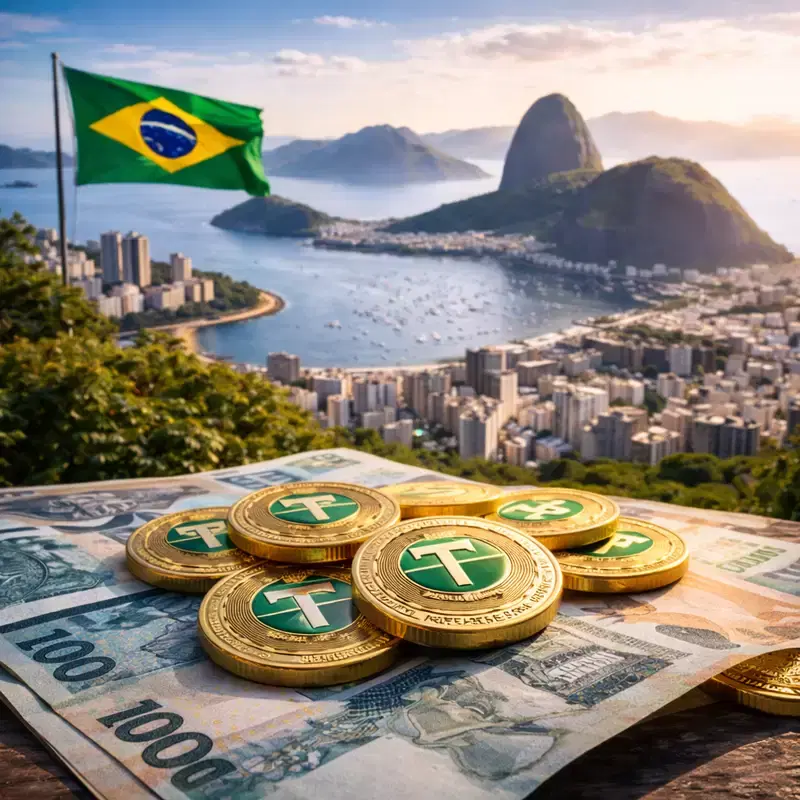
▲ Tether (USDT), Stablecoin, Brazil/AI Generated Image
Brazil is rapidly emerging as the largest digital asset economic hub in South America, driven by relaxed virtual asset tax regulations and the proactive adoption of stablecoins as an alternative to legal tender.
According to a report by cryptocurrency media NewsBTC on the 21st (local time), data from the Brazilian Federal Revenue Service (Receita Federal) shows that stablecoin transactions account for over 80% of all virtual asset transactions, significantly surpassing Bitcoin. In particular, USDT, pegged to the US dollar, has become a primary means to counter the depreciation of the local currency, the real, and has spread widely among the general public.
The Brazilian government's simplification of tax reporting procedures for virtual asset transactions has served as a key catalyst for market growth. As entry barriers lowered for both individual investors and businesses, transaction volumes rapidly expanded, leading to increased transparency within the institutional framework and strengthened real-world usage.
Notably, despite increased transaction transparency after the implementation of IN 1888, a regulation by the Federal Revenue Service, this institutional framework has paradoxically accelerated stablecoin adoption. Market participants prefer stablecoins, which have stable value, over volatile assets for remittances, payments, and asset protection. The volume of USDT transactions in Brazil amounts to tens of billions of dollars, which is considered an exceptional growth rate in the global market.
Experts diagnose this trend as a combination of weakening trust in the domestic currency and tax benefits. The Brazilian government offers tax exemptions for virtual asset transactions below a certain amount, encouraging mass adoption. As a result, stablecoins have entered a phase where they are used like cash in everyday commerce. Virtual assets are becoming a means of inflation defense, beyond just an an investment tool.
The local fintech industry is also rapidly evolving. Major exchanges like Mercado Bitcoin have launched debit cards equipped with stablecoin payment functions, increasing their real-life utility. The government's flexible regulatory environment is acting as a factor that promotes the entry of global cryptocurrency companies.
The easing of tax burdens and the spread of stablecoins are considered key drivers of Brazil's digital transformation. Brazil is poised to become a global digital financial hub based on the most advanced virtual asset regulatory framework among South American countries, and the expansion of the financial ecosystem centered on stablecoins is likely to continue.
*Disclaimer: This article is for informational purposes only and we are not responsible for any investment losses based on it. The content should be interpreted solely for informational purposes.*
Newsletter
Get key news delivered to your email every morning
to leave a comment.