
to leave a comment.
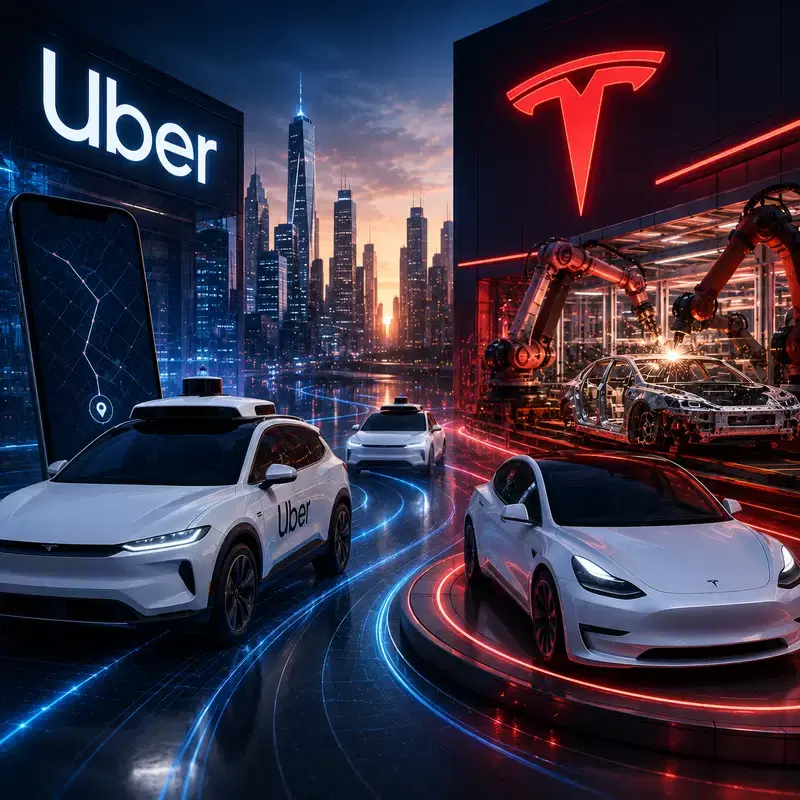
▲ Uber (UBER), Tesla (TSLA), autonomous vehicles, robotaxi/AI generated image
Uber Technologies (UBER) has set out to build the world's largest robotaxi platform, targeting the $10 trillion autonomous driving market. However, the production capacity gap with Tesla (TSLA) has emerged as the biggest variable.
According to Nasdaq, a specialized securities media outlet, on August 5 (local time), Uber's gross bookings increased by 22% compared to the same period last year, and the number of trips increased by 18%. Operating profit surged by 40% to approximately $2 billion, and diluted earnings per share recorded $1.17. Free cash flow for the past 12 months also exceeded $10 billion for the first time since the company's inception.
Despite strong performance, Uber's stock price has fallen by 20% this year. The company plans to focus its secured cash on the robotaxi business. The investment is based on the forecast that the related market could grow to a maximum of $10 trillion if autonomous vehicles become the standard in the ride-hailing market. The judgment that Uber's long-term competitiveness could weaken if it fails to secure its own robotaxi vehicles also played a role.
Tesla has an advantage over Uber in that it can directly produce vehicles and raise large-scale funds. Uber's corporate size is only about 13% of Tesla's, and it does not have its own car manufacturing facilities. To compensate for its weaknesses, Uber plans to secure tens of thousands of vehicles to be deployed in future robotaxi operations by signing contracts with Lucid Group (LCID) and Rivian (RIVN).
Uber also plans to directly acquire stakes in key autonomous driving partners. This strategy aims to stabilize robotaxi production and supply by strengthening the financial foundation of its partners. However, an analysis suggests that billions of dollars will be needed over the next 4-5 years to support the business expansion of autonomous driving partners. Concerns surrounding the massive investment burden were also behind the decline in Uber's stock price after the earnings announcement.
In its existing ride-hailing business, Uber secured high cash flow as drivers bore the costs of vehicle purchase and maintenance. In contrast, robotaxis are a capital-intensive business that requires direct investment in vehicles and the supply chain. While Uber is pursuing a catch-up strategy leveraging its lower corporate value, Tesla, which already has production facilities, is evaluated to have an advantage in the robotaxi competition.
[Key Article Summary]
-Uber is pursuing the construction of the world's largest autonomous driving platform, targeting the robotaxi market, which is expected to grow to a maximum of $10 trillion.
-Uber plans to secure tens of thousands of vehicles from Lucid and Rivian and directly invest in stakes in autonomous driving partners.
-Tesla leads in its own production facilities and fundraising capabilities, while Uber faces an investment burden of billions of dollars over the next 4-5 years.
*Disclaimer: This article is for investment reference only, and we are not responsible for any investment losses based on it. The content should be interpreted for informational purposes only.*
Newsletter
Get key news delivered to your email every morning
to leave a comment.