
to leave a comment.
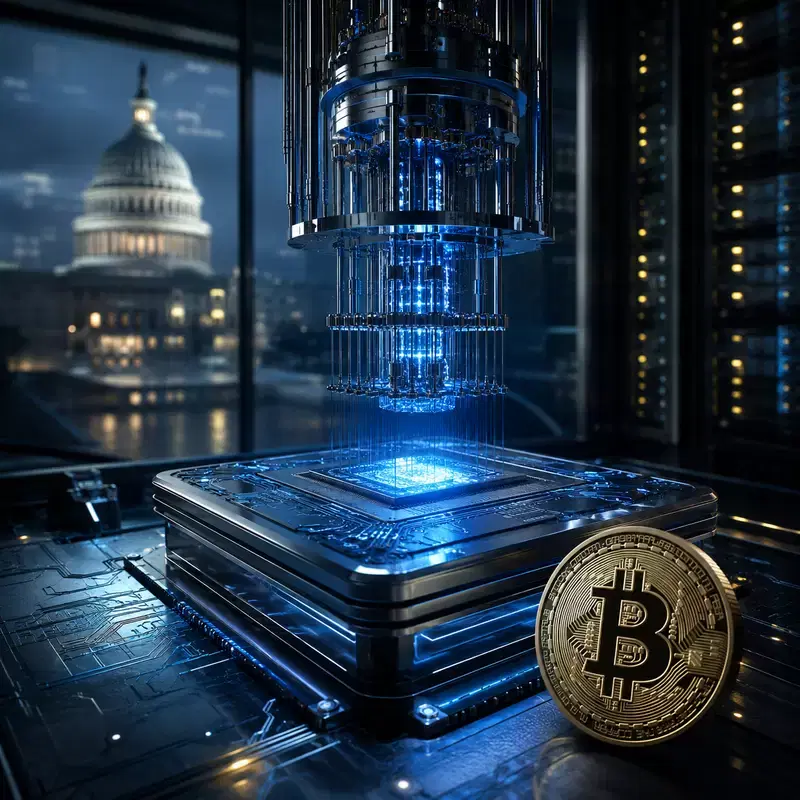
▲ Bitcoin (BTC), Quantum Computer/AI Generated Image
The U.S. government is reportedly planning to inject $2 billion into the quantum computing sector, not Bitcoin (BTC). Quantum computing is considered a next-generation technology that can solve problems difficult for existing computers, but it has emerged as a new variable in the Bitcoin market due to its potential to threaten the cryptographic systems of blockchain-based cryptocurrencies.
Bitcoinist reported on May 22 (local time) that the U.S. government plans to provide subsidies to nine quantum computing companies. This deal involves the government providing a total of $2 billion in exchange for equity stakes in these companies. IBM is expected to receive the largest share of support, with approximately $1 billion allocated.
GlobalFoundries was also mentioned as a major beneficiary. This company, known for its advanced semiconductor manufacturing capabilities, is reportedly set to receive $375 million in subsidies. The remaining seven companies include D-Wave Quantum, Rigetti Computing, and Infleqtion.
Quantum computing is a new form of computing technology based on the principles of quantum physics. Theoretically, it can solve problems that are difficult for current classical computers to handle, and some cryptographic systems could also become targets of attack. Bitcoinist reported that this is why quantum computing is often cited as a potential threat to blockchain-based cryptocurrencies like Bitcoin.
Last year, the U.S. government also announced a strategic Bitcoin reserve plan. This initiative aims to utilize confiscated tokens as national treasury reserve assets. Although the related work was delayed for some time, the institutionalization movement has resurfaced with Representative Nick Begich submitting the American Reserves Modernization Act (ARMA) to Congress.
Begich stated on X (formerly Twitter) that "The American Reserves Modernization Act integrates digital assets held by the federal government, protects them as reserve assets for future generations, and ensures these assets are safeguarded from the whims of Congress or future administrations."
However, it has not yet been confirmed whether the U.S. government will actually purchase new Bitcoins, even if it is moving towards a Bitcoin reserve. On the other hand, it appears to be directly investing in the quantum computing sector. Charles Edwards, founder of Capriole Investments, said, "The U.S. government has never bought Bitcoin, but it is buying quantum stocks," calling it a "strong message."
As of the time of writing, Bitcoin was trading around $77,700, having fallen 4.6% over the past seven days. The U.S. government's quantum computing investment plan, coupled with discussions about strategic Bitcoin reserves, is fueling debate in the cryptocurrency market over the prioritization of technological security and digital asset policy.
*Disclaimer: This article is for investment reference only, and we are not responsible for any investment losses based on it. The content should be interpreted for informational purposes only.*
Newsletter
Get key news delivered to your email every morning
to leave a comment.