
to leave a comment.
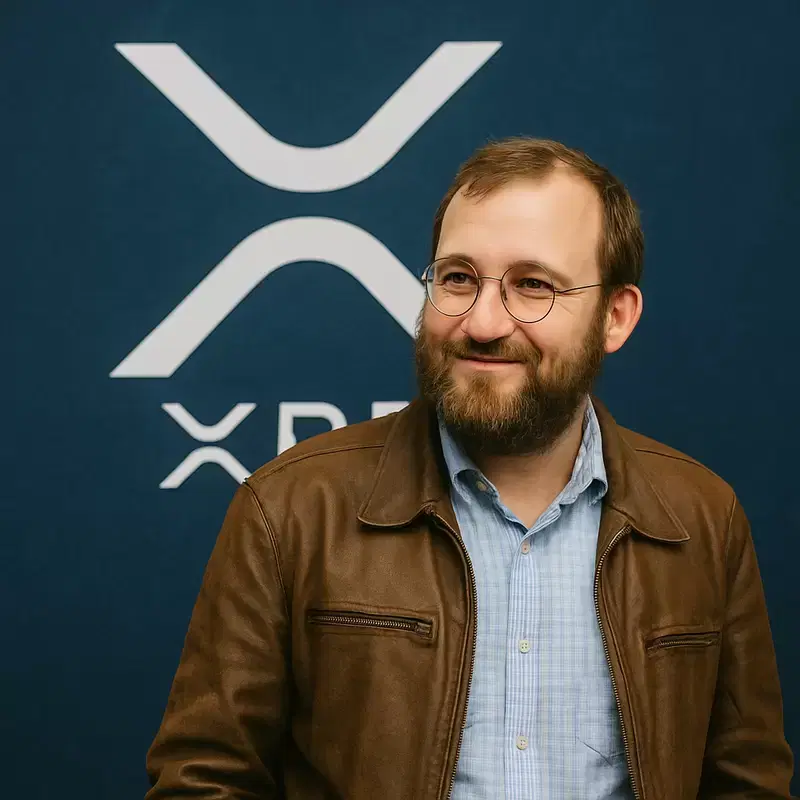
▲ Charles Hoskinson, XRP/ChatGPT generated image
Cardano (ADA) founder Charles Hoskinson praised the XRP Ledger's unique node list, a trust verification structure, as a “well-designed system.” It is notable that a key figure from both sides publicly acknowledged the technical design's strengths, even as the Ripple and Cardano camps maintain differences regarding smart contract philosophy.
The Crypto Basic reported on May 14 (local time) that Hoskinson positively evaluated the XRP Ledger's unique node list structure during an X Spaces conversation hosted by XRP community members. David Schwartz, former Ripple CTO and one of the early architects of the XRP Ledger, also participated in the conversation.
Hoskinson first expressed gratitude for Schwartz's help to Cardano engineers during the Midnight Glacier Drop process. He stated that the XRP Ledger was one of the networks utilized during the Midnight deployment, and Schwartz directly participated in several calls to explain how the XRP Ledger works to Cardano engineers.
Hoskinson said that this process led him to re-examine the XRP Ledger's design. He explained that he had rarely looked deeply into XRP since 2013 or 2014, and this was virtually the first time he had analyzed its consensus system in detail. He specifically mentioned reviewing how the XRP Ledger addresses Byzantine consensus issues, referencing papers from around 2018.
He described the unique node list as a clever way to manage trust among validators. In the XRP Ledger, each server selects a list of trusted validators, and during the consensus process, only signals from validators included in that list are reflected. Hoskinson stated that the negative unique node list feature, which temporarily excludes inactive or untrustworthy validators, helps restore network liveness, saying, “The entire unique node list concept is quite clever. Especially that you can regain liveness through the negative unique node list. There were good elements, and what you built is a well-designed system.”
The Crypto Basic explained that the XRP Ledger's unique node list is a core component of its Byzantine Fault Tolerant consensus model, which does not rely on Proof-of-Work or Proof-of-Stake. Each node operator can select independent validators, whether organizations or individuals, and often utilize the default unique node list provided by the XRPL Foundation. When validator lists among nodes overlap in this way, network stability increases, contributing to a reduction in the risk of fragmentation.
However, Hoskinson stated that differences in opinion with the XRP camp regarding smart contracts still remain. Schwartz countered that the disagreements might not be as significant as they appear, stating that Layer 1 smart contracts have proven their utility as many users already use them. He emphasized that while more advanced designs may exist that are not yet implemented, their development difficulty is high, and he prefers solutions that people can actually use now and projects like Midnight that focus on practicality.
*Disclaimer: This article is for investment reference only, and we are not responsible for any investment losses based on it. The content should be interpreted for informational purposes only.*
Newsletter
Get key news delivered to your email every morning
to leave a comment.