
to leave a comment.
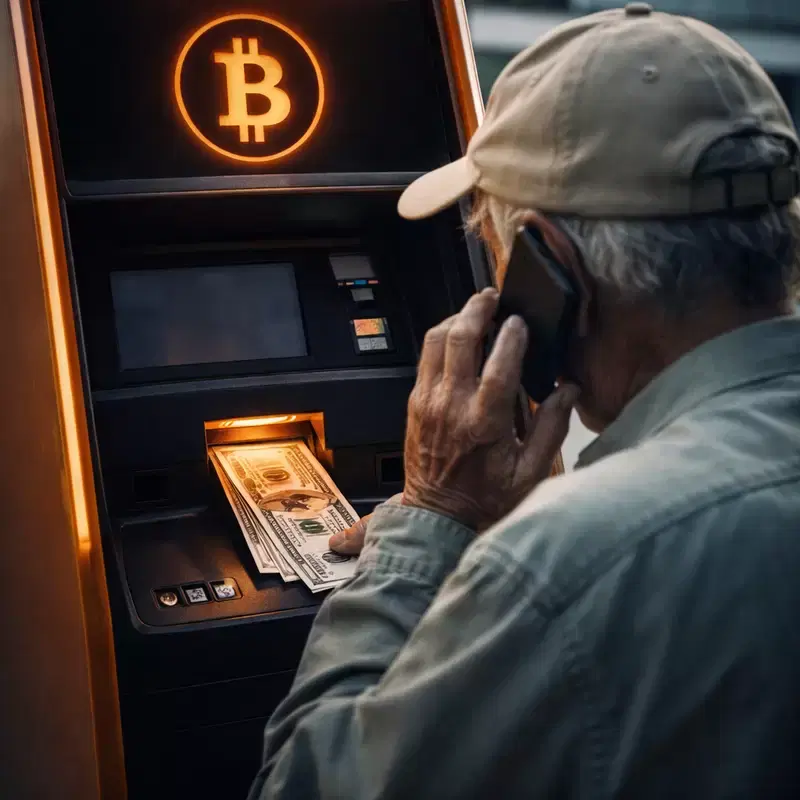
▲ Cryptocurrency ATM, cryptocurrency fraud, voice phishing / ChatGPT generated image
Iowa has implemented a bill mandating cryptocurrency ATM operators to obtain a money transmitter license. As fraud damages using cryptocurrency ATMs increased, the state government simultaneously strengthened location reporting, fee disclosure, and sanctions for consumer protection violations.
According to Bitcoin.com on May 8 (local time), Iowa Attorney General Brenna Bird announced that Governor Kim Reynolds signed SF2296. This law requires cryptocurrency ATM operators across Iowa to obtain a money transmitter license, bringing digital financial asset kiosks within the state's financial regulatory framework.
Under the new law, operators must hold a license before owning, operating, promoting, or supporting a cryptocurrency ATM in Iowa. The bill defines applicable digital financial assets, revises fee disclosure rules, and introduces location reporting obligations. Related violations are classified as unlawful practices under Iowa consumer protection laws.
Bird stated, “Finally, we continue the fight to protect Iowans from scammers targeting them through cryptocurrency ATMs.”
Cryptocurrency ATM operators must submit all installation locations they own, operate, or manage to the Iowa Division of Banking. If a location changes, changes must be reported within 30 days, and the Division of Banking must publish the list online.
This 2026 licensing bill is a follow-up to SF449, which Governor Reynolds signed on May 19, 2025, and which took effect on July 1 of the same year. SF449 targeted cryptocurrency ATM fraud by introducing transaction limits, refund requirements, fee caps, fraud warnings, customer support rules, and detailed receipt requirements.
Enforcement authority is granted to the Iowa Attorney General's Office when there is reasonable suspicion of a violation. The Attorney General's Office can seek injunctions, compel compliance with the law, and demand civil penalties of up to $10,000 per violation related to digital financial asset kiosks.
Fee regulations have also changed. Businesses must disclose all costs charged in digital financial asset transactions as dollar amounts. The law replaced some exchange price-based expressions with market value at the time of the transaction for the relevant asset. Bird stated, “I thank the Legislature for passing these bills with bipartisan support and Governor Reynolds for signing them into law.”
According to SF449, cryptocurrency ATM users cannot send or receive more than $1,000 per day through the machine. New consumers are limited to a cumulative transaction amount of $10,000 during the first 30 days of initiating transactions with a specific operator. If a victim of a fraud-induced transaction reports the damage within 90 days and submits the necessary documents, the operator must provide a refund.
Violations are treated as unlawful practices under Iowa consumer protection provisions. The new law allows for penalties of up to $100,000 for businesses that violate injunctions related to digital financial asset kiosk enforcement actions. The law took effect immediately upon enactment and applies to civil lawsuits initiated after its effective date.
The bill comes as several states are taking a closer look at cryptocurrency ATM activities involved in fraud complaints and financial exploitation cases. During a House debate in 2025, State Representative Shannon Lundgren stated that an investigation by the Iowa Attorney General revealed that residents had lost approximately $20 million to cryptocurrency ATM fraud over the past three years.
*Disclaimer: This article is for investment reference only and we are not responsible for any investment losses based on it. The content should be interpreted for informational purposes only.*
Newsletter
Get key news delivered to your email every morning
to leave a comment.