
to leave a comment.
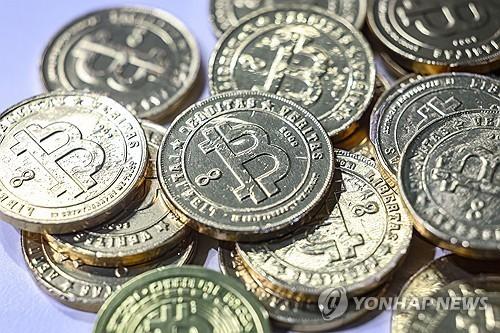
Introduced as legal tender in 2021… 7,643 accumulated to date
Everyday currency function is 'insignificant'… Cryptocurrency remittance amount is increasing
El Salvador's President Nayib Bukele is a role model for right-wing leaders in Central and South America who are struggling with security instability. With a strong will to crack down, he sent most of the drug cartel members to prison.
The crime rate has decreased significantly, and his approval rating, based on these achievements, is close to 90%. To date, Bukele is almost the only one in Latin America who has achieved complete success in the war against drug cartels. The 'CECOT' he established is the largest prison in Central and South America, and it is also often criticized for human rights abuses against inmates.
There is one more thing President Bukele, who is inspiring right-wing leaders in Central and South America regarding crime eradication, is dedicated to. It is the accumulation of 'Bitcoin'. Since adopting Bitcoin as legal tender in September 2021, he has been steadily buying and collecting Bitcoin.
According to Infobae, a Spanish-speaking media outlet, on the 6th (local time), the Salvadoran government holds 7,643 Bitcoins as of May this year. The total cost of acquisition amounts to 622.3 million dollars (approximately 900 billion won at current exchange rates).
The government additionally purchased 1,633 coins over 16 months from January last year to April this year, and has been consistently collecting one coin every day since May.
Although the government encourages the use of cryptocurrency, it is known that 90% of the public do not use it in their daily lives. In particular, its use and purchase are partially restricted in accordance with an agreement reached with the International Monetary Fund (IMF) after receiving IMF bailout funds. El Salvador received a bailout worth 1.4 billion dollars from the IMF at the end of 2024 on the condition of reducing Bitcoin-related policies in the public sector.
While its everyday currency function as a medium of exchange is low, its utilization for remittances is high. In the first quarter of this year, overseas remittances through cryptocurrency wallets amounted to 17.38 million dollars, a 49.7% increase compared to the same period last year (11.61 million dollars).
Despite the volatility of remittance amounts and legal and financial restrictions, the Salvadoran government continues to invest in cryptocurrency as part of its national economic strategy, Infobae reported.
Meanwhile, Bitcoin prices have recently been on the rise. According to CoinDesk, a cryptocurrency specialized media outlet, Bitcoin prices rose to 81,500 dollars the previous day, driven by strong capital inflows into spot exchange-traded funds (ETFs) and interest in the tokenization of financial assets.
Newsletter
Get key news delivered to your email every morning
to leave a comment.